



Pelvic movement can feel different as pregnancy progresses because changes in body weight, joint mobility, balance, and the center of gravity affect how the pelvis, hips, and lower back work together. These adaptations are normal, but they can make walking, climbing stairs, turning in bed, standing from a chair, or changing direction feel noticeably different from earlier in pregnancy.
The pelvis plays an important role in transferring forces between the spine and legs. As pregnancy advances, that job changes along with the rest of the body.
Why Does Pregnancy Affect Pelvic Movement?
Pregnancy causes several physical changes at the same time.
As the abdomen grows, more weight is carried toward the front of the body. This shifts the center of gravity and changes how someone balances while standing and moving.
Pregnancy hormones also affect the ligaments supporting the joints. ACOG notes that these ligaments become more relaxed, allowing greater joint mobility while also changing how the body manages stability.
The pelvis, hips, and lower back therefore may not move or feel exactly the same as they did before pregnancy.
That does not automatically mean something is wrong.
It reflects the body adapting to changing mechanical demands.
How Can Walking Change as Pregnancy Progresses?
Walking requires coordinated movement through the pelvis, hips, legs, and trunk.
Research has found measurable gait changes during pregnancy. A recent systematic review and meta-analysis reported shorter stride length, wider steps, and longer double-support time, meaning pregnant individuals may spend more of each walking cycle with both feet on the ground.
These changes may help support balance and stability.
Someone may notice:
- Taking shorter steps
- Walking somewhat more slowly
- Using a wider stance
- Feeling more side-to-side pelvic movement
- Becoming tired sooner during longer walks
The exact pattern differs from person to person.
Why Can One Side of the Pelvis Feel Different?
Pelvic movement is not always perfectly symmetrical.
As pregnancy progresses, someone may notice that one side feels tighter, heavier, or more uncomfortable than the other.
That can become noticeable during:
- Walking
- Stairs
- Stepping into a car
- Standing on one leg
- Turning
- Getting dressed
- Changing direction
Differences in hip mobility, previous injuries, muscle fatigue, walking mechanics, or how weight is being distributed may all contribute.
A one-sided sensation does not automatically identify a problem. What matters more is whether the difference persists, becomes painful, or begins interfering with normal activity.
Why Can Turning in Bed Feel More Difficult?
Rolling in bed requires the pelvis, hips, trunk, and lower back to move together.
As abdominal size increases, that movement naturally changes.
Someone may find that turning takes more effort or that the pelvis feels less comfortable during the transition from one side to the other.
The person may also begin using their arms or legs differently to help move the body.
These adaptations are common, but persistent pelvic or lower-back discomfort during bed mobility may be worth discussing with a healthcare provider.
Why Can Stairs Feel Different?
Stairs place more demand on one leg at a time than level walking.
Each step requires the hips and pelvis to stabilize the body while weight shifts from one side to the other.
As pregnancy changes balance and joint mobility, stairs may begin to feel less comfortable or less steady.
Someone may notice:
- More pressure through one side
- Increased lower-back fatigue
- Pelvic discomfort when stepping upward
- A greater need to use the handrail
- Slower movement
These observations can be useful during an evaluation because they show how the pelvis responds when load shifts from side to side.
Why Does Balance Become More Important?
Balance changes as the center of gravity moves forward.
ACOG notes that the additional weight at the front of the body places more stress on the pelvis and lower back and can make someone less stable.
The body may compensate by changing stance width, walking speed, or how long both feet stay in contact with the ground.
Research supports these adaptations, with pregnancy associated with wider steps and increased double-support time.
These are examples of the body adjusting movement to maintain stability.
Does Pelvic Movement Change the Same Way for Everyone?
No.
Research shows overall trends, but not every pregnant person develops the same gait or pelvic movement pattern.
A 2025 systematic review found that pregnant women generally walked more slowly than non-pregnant or postpartum groups, but it also found that not every pelvic range-of-motion measure differed consistently between the second and third trimesters.
This means individual experience matters.
Someone may notice very little change in walking but significant difficulty turning in bed. Another person may feel comfortable at rest but notice pelvic fatigue after prolonged standing.
Which Daily Activities Can Reveal These Changes?
Changes may become most noticeable during routine activities rather than formal exercise.
Examples include:
- Walking through a store
- Standing during work
- Getting into or out of a vehicle
- Carrying groceries
- Turning in bed
- Rising from a chair
- Climbing stairs
- Exercising
- Caring for another child
For someone in San Diego, these differences may appear during commuting, walking outdoors, or spending a long day on their feet.
The pattern can help identify which movements are becoming more demanding.
Where Can Prenatal Chiropractic Care Fit In?
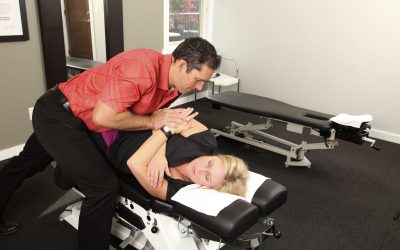
A Prenatal chiropractor may evaluate how pelvic and spinal movement relates to pregnancy-related musculoskeletal discomfort.
Best Life Chiropractic provides prenatal chiropractic care and identifies the Webster Technique as part of their pregnancy-related services.
A provider may consider:
- Pelvic movement
- Lower-back movement
- Hip mobility
- Symptom location
- Activities that reproduce discomfort
- Previous injuries
- Functional limitations
- Stage of pregnancy
Chiropractic Care during pregnancy should be individualized rather than based on the assumption that every pregnant patient has the same mechanical changes.
What Does a Webster Chiropractor Focus On?
A Webster Chiropractor evaluates pelvic and sacral mechanics using a chiropractic approach adapted for pregnancy.
The technique should be described carefully.
It should not be presented as guaranteeing a specific fetal position, faster labor, or a particular delivery outcome.
A more appropriate focus is on pelvic joint mechanics, maternal comfort, and musculoskeletal function when Chiropractic Therapy is considered appropriate.
Can Pelvic Movement Changes Cause Lower-Back Discomfort?
They may contribute to how the lower back is loaded, but pregnancy-related back pain has multiple possible contributors.
Research on pregnancy biomechanics has identified changes involving posture, spinal curvature, gait, balance, and pelvic alignment.
That means lower-back discomfort should not automatically be blamed on one pelvic movement pattern.
A provider should consider the broader clinical picture.
When Should Pelvic or Back Pain Be Evaluated Medically?
Not every pregnancy-related symptom should be assumed to be musculoskeletal.
Pregnant patients should contact their obstetric provider if pelvic or back pain is severe, sudden, persistent, or accompanied by concerning symptoms such as:
- Bleeding
- Contractions
- Fever
- Neurological changes
- Significant weakness
- Other unusual pregnancy symptoms
Prenatal Chiropractic Care should complement appropriate obstetric care rather than replace it.
Pelvic Movement Changes as the Body Adapts
Pregnancy changes how the pelvis, hips, lower back, and legs coordinate during everyday movement.
Changes in stride length, stance width, balance, and joint mobility can make walking, stairs, turning, and other activities feel different as pregnancy progresses.
These adaptations are often part of normal pregnancy, but persistent discomfort or difficulty moving deserves appropriate evaluation.
If pelvic movement begins interfering with walking, standing, sleeping, work, or normal daily activity, a qualified healthcare provider can help determine whether conservative musculoskeletal care may be appropriate.