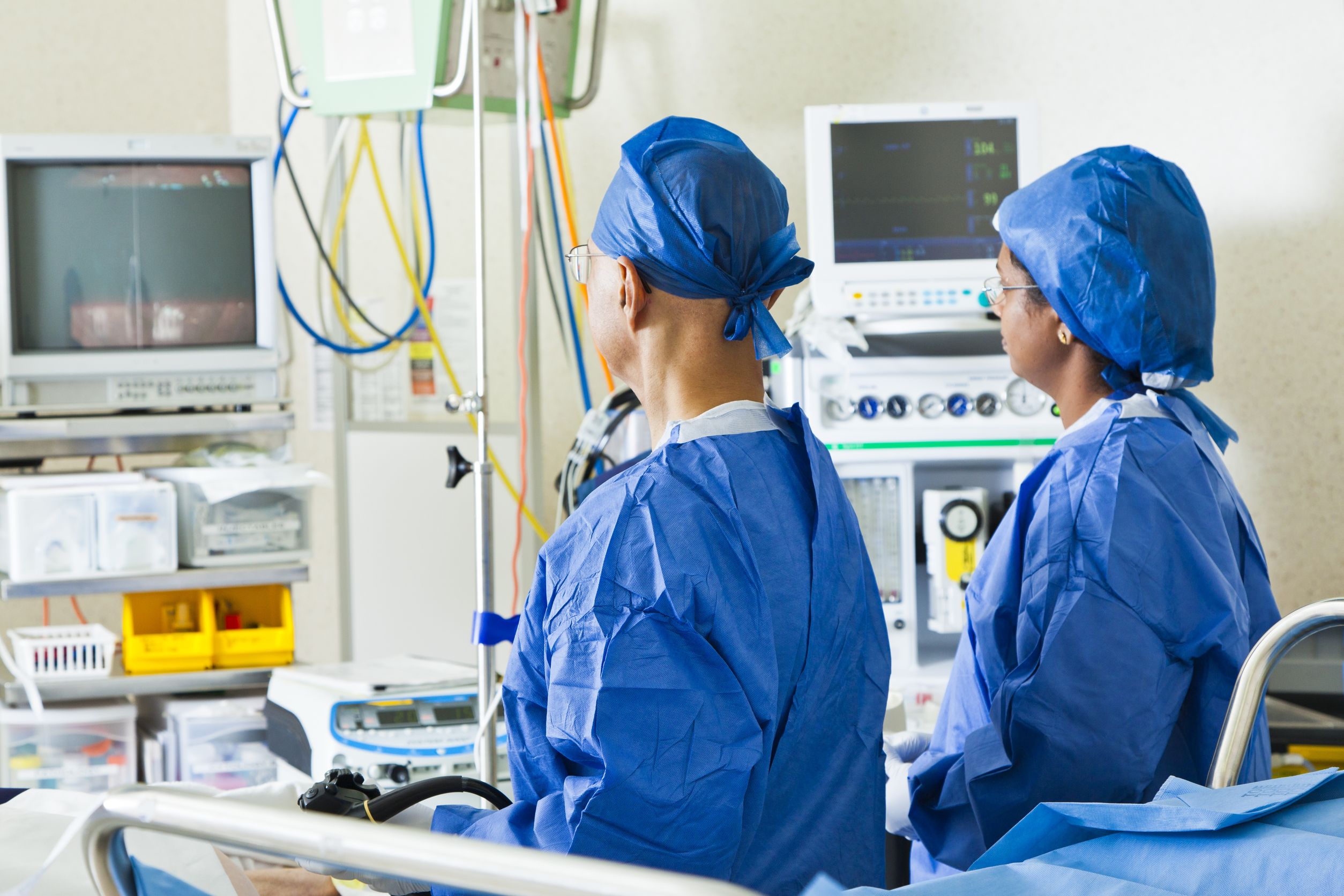


A healthcare facility’s top priority is patient safety, making infection prevention a critical focus every day. Infections acquired within medical settings can lead to extended hospital stays, increased healthcare costs, and even life-threatening complications. Selecting the right Clinical Cleaning Products is essential for maintaining a clean and sanitary environment and minimizing the risk of cross-contamination. These specialized products are designed to meet stringent healthcare standards and play a central role in protecting both patients and healthcare workers.
The Role of Proper Cleaning in Infection Control
Effective infection prevention begins with thorough and consistent cleaning protocols. Healthcare environments are unique in their exposure to pathogens, making routine cleaning and disinfection more vital than in other settings. High-touch surfaces such as bed rails, door handles, IV poles, and medical equipment are frequent points of contact and can easily harbor harmful microorganisms if not properly cleaned. Clinical cleaning products are formulated with hospital-grade disinfectants and detergents that target a broad spectrum of bacteria, viruses, and fungi. Using these products as part of a standardized cleaning regimen helps reduce microbial load and lower the risk of healthcare-associated infections (HAIs).
Key Components of a Successful Cleaning Program
A comprehensive cleaning program in healthcare facilities relies on several key elements. First, staff must be trained to recognize which areas require the most attention and understand the correct procedures for cleaning and disinfection. Proper use of clinical cleaning products ensures that surfaces are not only visibly clean but also sanitized at a microscopic level. Attention to dwell time, the period a disinfectant must remain wet on a surface to be effective, is critical for maximum efficacy. Additionally, using color-coded cleaning tools and single-use wipes can prevent cross-contamination between different zones, such as patient rooms and common areas.
Another important factor is selecting products compatible with a facility’s materials and equipment. Certain disinfectants may be too harsh for delicate surfaces or could degrade medical devices over time. Healthcare facilities benefit from using products that are both effective against pathogens and safe for use on a wide range of surfaces.
Advancements in Cleaning Technology
Recent improvements in cleaning product technology have further enhanced infection prevention efforts. Many clinical cleaning products now incorporate advanced antimicrobial agents, rapid-action formulas, and odor-neutralizing ingredients. Some products are designed for use with specialized equipment, such as electrostatic sprayers, which can provide uniform coverage and reach difficult areas. These innovations support faster turnaround times in patient rooms and common areas without compromising on safety or thoroughness.
Healthcare facilities can also utilize data-driven cleaning protocols, integrating checklists and digital monitoring systems to ensure compliance and track effectiveness. This approach allows for immediate identification of missed areas and supports continuous improvement in infection control practices.
A proactive approach to cleanliness is essential for any healthcare setting, and choosing the right products and protocols is a cornerstone of that strategy. By focusing on proper cleaning, healthcare providers can create safer environments for everyone involved.
For healthcare organizations seeking a reliable partner in infection prevention, Clinical Supply Company offers a trusted solution for sourcing effective clinical cleaning products and maintaining high standards of cleanliness throughout their facilities.