



THCA and THC are two distinct cannabinoids that are separated by a single chemical reaction: heat. Understanding how they differ in structure, effects, and legal standing helps consumers make informed decisions before purchasing any hemp-derived product.
If you have searched what is THCA vs THC, the short answer is this: the cannabis plant naturally produces THCA, a compound with potential health benefits but no psychoactive properties. It takes heat, light, or time to remove THCA’s carboxyl group, transforming it into THC, the psychoactive compound responsible for cannabis’s classic euphoric effect. This process is called decarboxylation.
How THCA and THC Differ at the Molecular Level
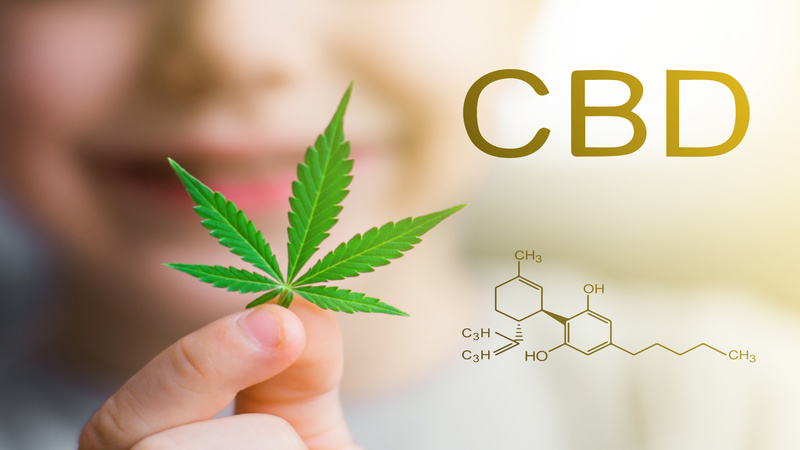
The two compounds look nearly identical on paper, but their structural difference has enormous practical consequences. THCA has one more carboxyl group than THC, meaning it has one more carbon atom, two additional oxygen atoms, and one more hydrogen atom. The impact of that carboxyl group on THCA’s molecular shape keeps the cannabinoid from binding with CB1.
THC binds with the ECS receptor CB1 in your brain like a key fitting into a lock. Activating CB1 with THC temporarily modifies the flow of information, increases dopamine levels, and produces an uplifting, relaxing, euphoric effect. THCA, by contrast, does not trigger that same receptor pathway in its raw form.
| Feature | THCA | THC |
|---|---|---|
| Psychoactive | No | Yes |
| Found in raw plant | Yes | Trace amounts |
| Requires heat to activate | Yes | No |
| Binds CB1 receptors | No | Yes |
Effects and Potential Benefits of Each Cannabinoid
THCA is a non-psychoactive cannabinoid found in raw cannabis. It exists in the plant before being exposed to heat and does not produce the “high” commonly associated with cannabis use. For humans, its potential therapeutic benefits include pain relief, neuroprotective effects, and anti-inflammatory actions, although research is still in its early stages.
Once heat is applied, the profile changes entirely. THC forms when THCA is heated, a process known as decarboxylation, which occurs when cannabis is smoked, vaped, or baked into edibles. THC interacts with the brain’s CB1 receptors, producing effects such as relaxation, altered perception, and in some cases, anxiety or paranoia.
Key effect differences at a glance:
- THCA (unheated): No intoxication, potential anti-inflammatory and neuroprotective properties
- THC (post-heat): Euphoria, relaxation, altered perception, possible anxiety at high doses
- Both: Subject to individual variation in response
According to the National Library of Medicine, cannabinoid research continues to expand, though most clinical evidence remains preliminary for non-psychoactive compounds like THCA.
Legal Status in the USA: A Rapidly Changing Landscape
This is where the THCA vs THC distinction matters most for consumers. Under the 2018 Farm Bill, hemp-derived products containing less than 0.3% delta-9 THC are federally legal. However, the legislation does not explicitly address THCA, which can be converted into THC through decarboxylation.
That ambiguity narrowed significantly in late 2025. Amendments to the 2018 Farm Bill were included in the Continuing Appropriations Act for 2026. The amendments eliminated the “hemp loophole” that only restricted Delta-9 THC levels in hemp, leading to a proliferation of “hemp-derived” intoxicating products, such as those with Delta-8 THC and THCA.
Enacted into law on November 12, 2025, Congress included several new provisions regarding intoxicating hemp products. The new provisions represent the most significant federal developments on hemp since the 2018 Farm Bill and will go into effect in November 2026.
State-level rules add another layer of complexity. This ambiguity allows some states to regulate THCA differently, leading to varying legal interpretations across the country. Some jurisdictions classify THCA as a legal hemp-derived compound, while others treat it similarly to THC due to its potential to become psychoactive. Always verify your local state regulations before ordering.
Drug Testing, Product Selection, and What to Look For
In most real-world cases, THCA vs THC makes no difference in drug testing. When THCA is smoked, vaped, or baked, it converts into THC, which produces the same metabolites detected in standard drug tests. Consumers subject to workplace screening should factor this in regardless of how a product is labeled.
When choosing a product, third-party lab testing is the most reliable indicator of quality and compliance. Every Costa Brand product is independently lab-tested and verified. Their commitment to transparent, third-party testing ensures consumers receive safe, potent, and accurately labeled THCA products.
Flower suits beginners, concentrates maximize potency, pre-rolls offer convenience, and disposable vapes work best for portability. Matching the format to your intended use is just as important as understanding the cannabinoid itself.
Frequently Asked Questions
Does THCA get you high on its own? No. THCA is a non-psychoactive cannabinoid found in raw cannabis. It exists in the plant before being exposed to heat and does not produce the “high” commonly associated with cannabis use.
What triggers the conversion of THCA to THC? Heat removes a carboxyl group from the compound, converting THCA directly into Delta-9 THC. This happens during smoking, vaping, or cooking.
Is THCA flower legal to buy online in the USA? Costa Brand THCA flower is hemp-derived and compliant with federal guidelines, containing less than 0.3% Delta-9 THC by dry weight. However, given the November 2025 federal amendments taking effect in November 2026, consumers should monitor both federal and state law closely.
Will THCA show up on a drug test? In most real-world cases, THCA vs THC makes no difference in drug testing. When THCA is smoked, vaped, or baked, it converts into THC, which produces the same metabolites detected in standard drug tests.
Understanding the chemistry behind THCA and THC is the foundation for making confident, compliant purchasing decisions. The gap between the two compounds is a single molecule wide, but its implications for effects, legality, and drug testing are significant. For consumers seeking hemp-derived THCA products that are lab-verified and Farm Bill-compliant, Costa Brand offers a transparent product lineup with published Certificates of Analysis available before any order is placed.